
Genetics & DNA Testing
Explore genetic testing companies, learn about specific genes and conditions, and get educational information to discuss with your healthcare provider.
Important Medical Disclaimer
This page provides educational information only and is not medical advice. Genetic testing results should always be interpreted by qualified healthcare professionals. If you have health concerns or are considering genetic testing, please consult with a doctor or genetic counselor.
Genetics 101: Understanding the Basics
Before exploring genetic testing, it's helpful to understand the fundamental concepts of genetics and how DNA testing works.
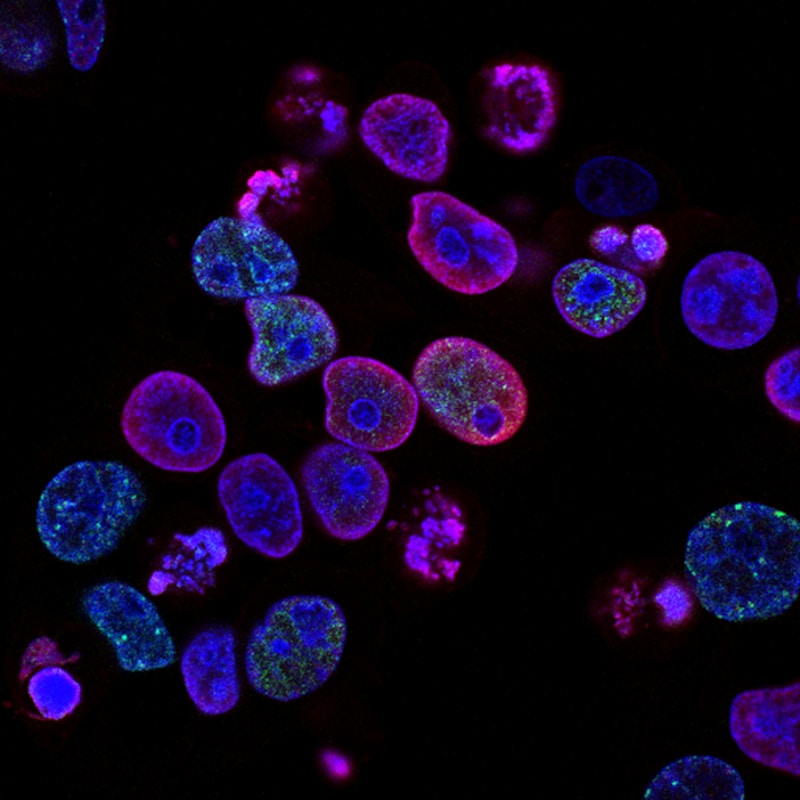
DNA (deoxyribonucleic acid) is the molecule that contains the genetic code of organisms. It's made up of four chemical bases: adenine (A), guanine (G), cytosine (C), and thymine (T). The sequence of these bases determines the information available for building and maintaining an organism.

Genes are segments of DNA that contain instructions for making proteins, which do most of the work in cells and are required for the structure, function, and regulation of the body's tissues and organs. Humans have approximately 20,000-25,000 genes.

DNA tests analyze your genetic material (usually from saliva or a cheek swab) to look for specific variations in your genes, chromosomes, or proteins. These variations can indicate your ancestry, health predispositions, or carrier status for certain genetic conditions.

Genetic test results show probabilities and predispositions, not certainties. Having a genetic variant associated with a condition doesn't mean you'll definitely develop it - many factors including lifestyle, environment, and other genes play a role in your health.
Genome
The complete set of DNA in an organism, including all of its genes.
SNP (Single Nucleotide Polymorphism)
A variation in a single DNA building block. SNPs are the most common type of genetic variation.
Allele
One of two or more versions of a gene. You inherit one allele from each parent.
Mutation
A change in the DNA sequence. Not all mutations are harmful - some have no effect, and some can be beneficial.
Carrier
Someone who has one copy of a gene mutation but doesn't show symptoms (usually for recessive conditions).
Pharmacogenomics
The study of how genes affect a person's response to drugs. Can help personalize medication choices.
Enter a gene name (e.g., MTHFR, COMT, APOE), genetic condition, or health topic to learn more
Reputable DNA Testing Companies
Educational Resources
Privacy & Data
- • How will your genetic data be stored and used?
- • Can you delete your data later?
- • Will your data be shared with researchers or third parties?
Cost & Insurance
- • Direct-to-consumer tests typically aren't covered by insurance
- • Clinical genetic testing may be covered with a doctor's order
- • Consider the cost of follow-up consultations
Medical Follow-up
- • Some results may require genetic counseling
- • Discuss significant findings with your doctor
- • Consider psychological impact of results
Test Limitations
- • Consumer tests don't diagnose diseases
- • Results show probability, not certainty
- • Clinical tests are more comprehensive for specific conditions

Your Ad Here - Advertise With Us
Reach thousands of professionals, researchers, and decision-makers daily. Contact us to advertise your products and services on AllSearchAI.